
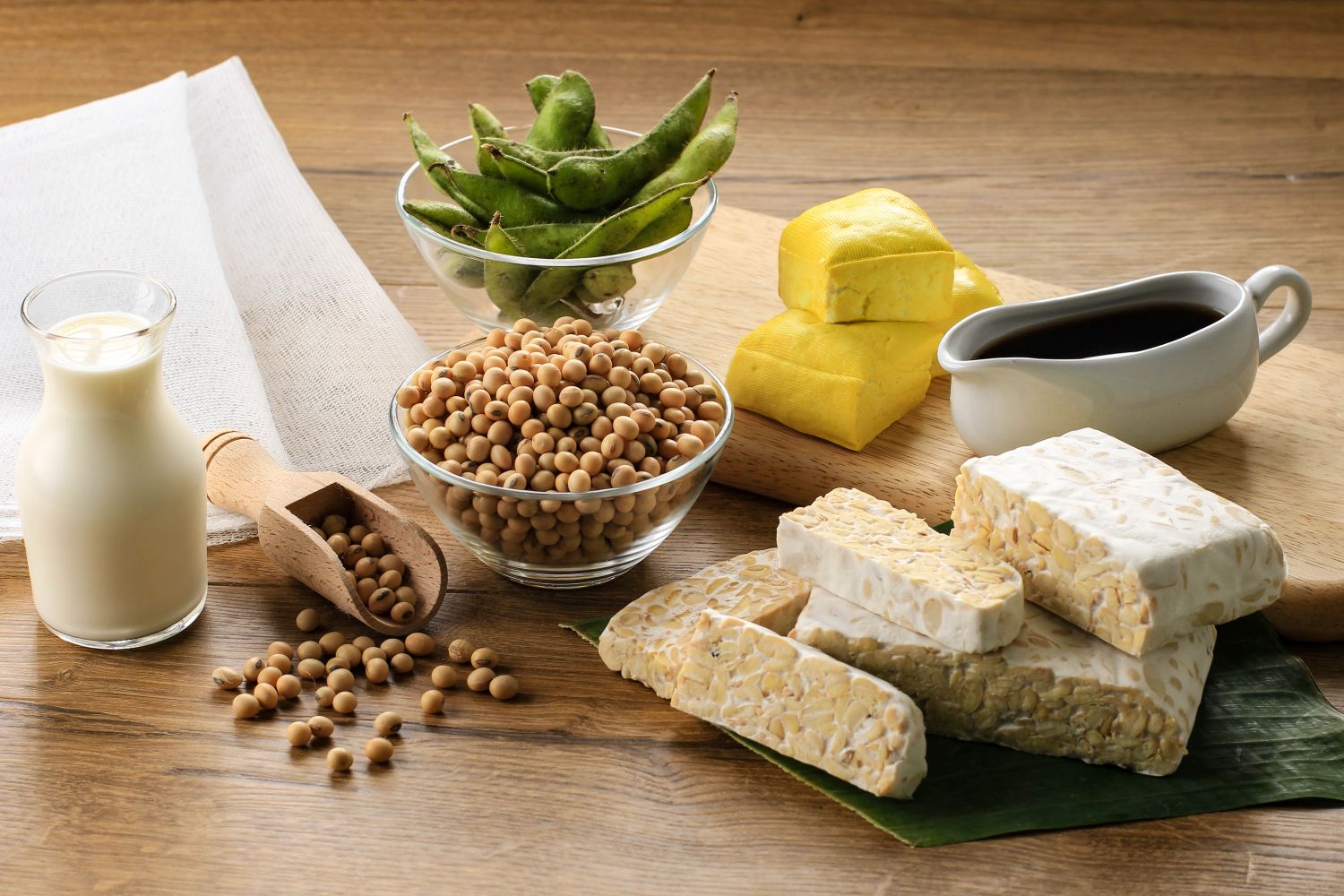
Unlock the secrets of homemade soy milk and elevate your health with every sip. Packed with essential nutrients, soy milk offers numerous health benefits that can transform your dietary routine. This guide will walk you through selecting the finest soybeans, the equipment needed for crafting the perfect batch, and innovative ways to enhance flavors. Discover how easy it is to create delicious soy milk at home, and explore exciting recipes that make the most of this nutritious beverage.
The Benefits of Soy Milk
Soy milk offers numerous health benefits, characterized by a high protein content of 8 grams per cup, a cholesterol-free composition, and elevated levels of antioxidants that support overall wellness.
Additionally, soy milk is frequently fortified with calcium, providing approximately 300 milligrams per serving, which is essential for the maintenance of strong bones. It is also low in calories, containing around 80 calories per cup, making it an advantageous choice for those managing their weight.
The fiber content, approximately 4 grams per cup, aids in digestion and promotes gut health. Furthermore, the isoflavones present in soy milk function as antioxidants, with various studies suggesting they may reduce the risk of chronic diseases.
Incorporating soy milk into one’s diet can significantly contribute to overall health.
Choosing the Right Soybeans
The quality of soy milk is fundamentally determined by the soybeans used, as various varieties can significantly influence flavor, nutritional content, and the ease of processing.
Types of Soybeans
There are primarily two types of soybeans utilized for the production of soy milk: yellow soybeans, which are recognized for their creamy flavor, and black soybeans, which provide a richer, nuttier taste.
Yellow soybeans possess a mild, slightly sweet flavor, rendering them an ideal base for creamy soy milk. They contain approximately 36 grams of protein and 22 grams of fat per 100 grams, contributing to a smooth texture.
In contrast, black soybeans offer a distinctive richness and have a higher antioxidant content, resulting in soy milk that is darker and nuttier. This variety comprises about 40 grams of protein but contains less fat than yellow soybeans.
The choice between yellow and black soybeans may depend on the desired flavor profiles or health benefits, thereby influencing both culinary applications and individual dietary requirements.
Where to Buy Quality Soybeans
Identifying high-quality soybeans is essential for the production of optimal soy milk. Trusted sources for purchasing soybeans include health food stores, online retailers such as Amazon, and local farmers’ markets.
For organic yellow soybeans, Amazon offers them at approximately $1.50 per pound. This option is notably convenient; however, it is important to consider that shipping costs may vary.
Local farmers’ markets typically provide fresh soybeans priced around $2 per pound, allowing consumers to benefit from direct sourcing while supporting local agriculture.
Health food stores may sell soybeans at a higher price point, approximately $3 per pound, but they often ensure a more thorough inspection of product quality and maintain organic certification.
It is advisable to select certified organic soybeans to maximize health benefits, as these products are free from harmful pesticides.
Essential Equipment for Making Soy Milk
To produce high-quality homemade soy milk, it is essential to utilize the appropriate equipment, which facilitates a smooth process and ensures optimal results.
Blenders and Strainers
A high-quality blender, such as the Vitamix 5200 ($449), is essential for achieving a smooth texture when preparing soy milk. Additionally, fine strainers or nut milk bags are necessary for effectively filtering the mixture.
For optimal results, the NutriBullet Pro 900 ($99) is recommended for its impressive power, suitable for basic blending requirements. In contrast, a superior strainer, such as the Stainless Steel Fine Mesh Strainer ($15), can efficiently separate pulp from liquid, ensuring a creamy consistency in the final product.
Nut milk bags, like the Nut Milk Bag by Ellie’s Best ($12), facilitate an even smoother finish with minimal effort. While the Vitamix excels in blending larger batches, the NutriBullet offers versatility for smaller quantities, making it an excellent choice based on specific volume needs.
Optional Tools for Enhanced Flavor
To enhance the flavor profile of soy milk, one may consider utilizing tools such as milk frothers for lattes, priced at approximately $25, and spice grinders, available for around $20, to create customized taste experiences.
Experimenting with spices such as cinnamon or nutmeg can yield delightful results. By using a spice grinder, fresh powders can be created, adding a fragrant touch to the beverage. Just a few pinches of these spices can significantly transform the drink, particularly when complemented by a dash of vanilla extract.
Additionally, flavored syrups, such as lavender or caramel, typically costing around $10, can introduce sweetness and complexity. A simple mixture of a tablespoon of syrup with soy milk before heating can enhance the overall flavor.
For an authentic caf experience, incorporating a milk frother allows for the creation of velvety lattes or cappuccinos, thereby elevating both the texture and taste of the soy milk beverage.
The Soy Milk Making Process
The production of soy milk involves a systematic process that includes soaking, blending, and straining soybeans.
This method yields a creamy and nutritious beverage.
Soaking and Preparing Soybeans
To initiate the process, begin by soaking 1 cup of soybeans in water for a duration of 8 to 12 hours. This step softens the soybeans and enhances the creaminess of the milk by activating essential enzymes.
Following the soaking period, thoroughly rinse the soybeans and blend them with 4 cups of fresh water until a completely smooth consistency is achieved. This results in a thick mixture referred to as ‘soybean slurry.’
Subsequently, strain the slurry using a cheesecloth or nut milk bag to separate the soy milk from the pulp. It is important to extract as much liquid as possible to achieve optimal creaminess. Additionally, the pulp should be retained for alternative uses, such as in veggie burgers or baking.
It is advisable to avoid common pitfalls, including soaking the soybeans in water that is too warm, which may result in fermentation instead of the desired soaking effect.
Blending and Straining Techniques
To achieve optimal soy milk, it is recommended to blend the soaked soybeans with four cups of water for a duration of 2 to 3 minutes. Following this process, strain the mixture through a nut milk bag to separate the pulp from the liquid.
After straining, it is crucial to maximize both yield and flavor. To accomplish this, gently press the nut milk bag to extract additional liquid. Furthermore, the leftover pulp can be retained for use in various recipes, such as smoothies or baked goods.
For those seeking a creamier texture, one may re-blend the pulp with an additional cup of water and strain the mixture once more.
Common challenges in this process include achieving the desired consistency; thus, adjusting the water ratio may be necessary based on individual preference. Additionally, it is advisable to clean the equipment immediately after use to prevent the buildup of residue.
Flavoring Your Soy Milk
Flavoring homemade soy milk can transform a basic beverage into a culinary delight, providing numerous opportunities for customization and enhanced enjoyment.
Natural Sweeteners
To enhance the sweetness of soy milk, one may consider utilizing natural sweeteners such as agave syrup, maple syrup, or dates, each of which contributes distinct flavor profiles without the inclusion of processed sugars.
Agave syrup, recognized for its mild flavor, is effective in applications such as coffee or cereal, with a recommended usage of approximately 1 to 2 teaspoons per cup.
Maple syrup, noted for its rich and earthy undertones, can serve as a sugar substitute in baking, typically used at a 1:1 ratio, thereby enhancing both flavor and moisture.
Dates, when incorporated into smoothies or yogurt, impart a caramel-like sweetness while also providing a boost of dietary fiber; it is advisable to use one or two pitted dates to achieve optimal sweetness.
In contrast to artificial sweeteners, these natural alternatives offer additional nutrients and are associated with less digestive discomfort, making them healthier options for consumers.
Adding Spices and Extracts
Enhancing soy milk with spices such as cinnamon or nutmeg, or with extracts like vanilla or almond, can transform it into a delightful beverage suitable for various culinary applications.
For a 4-cup batch, the following proportions are recommended:
- 1 teaspoon of cinnamon to introduce warmth,
- 1/2 teaspoon of nutmeg for a touch of sweetness,
- 1 teaspoon of vanilla extract to enrich the overall flavor.
These spices can be incorporated into a creamy latte for a comforting drink or added to a smoothie with bananas and spinach to increase nutritional value. Additionally, almond extract can contribute a nutty dimension to beverages, making it an excellent choice for both lattes and as a base for fruit smoothies.
Storing and Using Soy Milk
The proper storage of homemade soy milk is essential for preserving its freshness and flavor, while also ensuring that it remains a versatile ingredient for a variety of recipes.
Best Practices for Storage
Homemade soy milk should be stored in airtight containers in the refrigerator for a maximum of five days to ensure optimal preservation of taste and nutrients.
For the best storage practices, it is advisable to utilize glass bottles instead of plastic, as glass maintains freshness and does not leach harmful substances. It is also important to label each container with the date of preparation to effectively monitor its freshness.
To prevent spoilage, one should avoid common mistakes such as exposing the milk to air by leaving the container open or transferring the soy milk to larger containers. Instead, it is recommended to pour only the amount needed for immediate use.
If there is any off-smells or changes in texture, the soy milk should be discarded immediately.
Recipes Using Soy Milk
Homemade soy milk can be integrated into a wide range of recipes, from smoothies to baked goods, enhancing both flavor and nutritional value in each dish.
One noteworthy option is a soy milk banana smoothie. To prepare this smoothie, blend:
- 1 cup of homemade soy milk
- 1 ripe banana
- 1 tablespoon of honey
- A pinch of cinnamon
to create a creamy breakfast that is rich in protein and potassium.
Another excellent choice is soy milk pancakes. To make these pancakes, combine:
- 1 cup of flour
- 1 tablespoon of baking powder
- 1 cup of soy milk
Cook the mixture on a heated skillet to achieve fluffy, dairy-free pancakes.
Both of these recipes provide a substantial boost of vitamins and minerals, establishing them as nutritious selections for any meal.
