
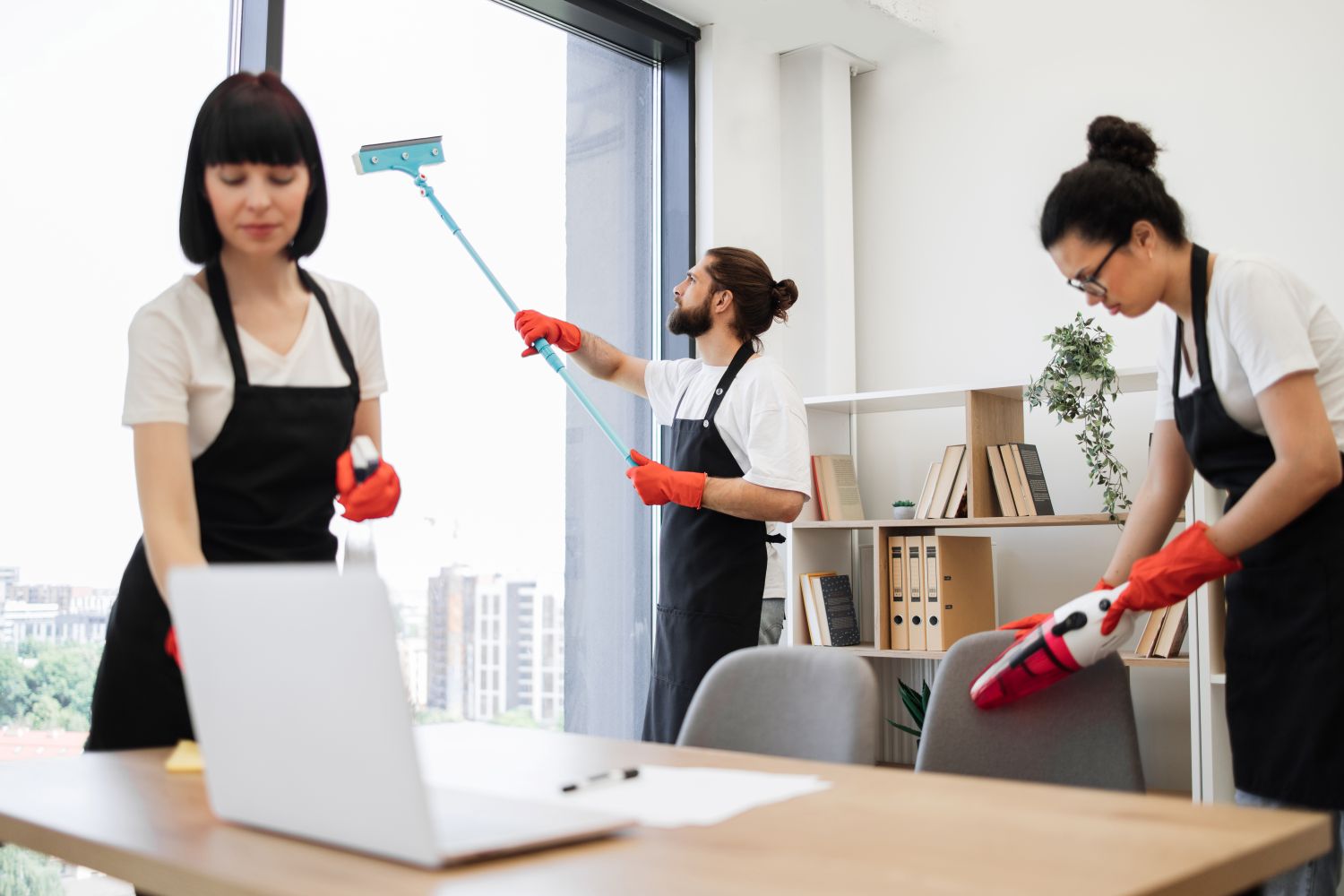
A pristine office environment is more than just visually appealing; it is a catalyst for enhanced productivity and well-being. As organizations increasingly recognize the link between cleanliness and employee performance, the demand for professional office cleaning services has surged. This article delves into the profound impact of these services on workplace efficiency, exploring benefits such as heightened productivity, improved health and safety, and effective cleaning strategies. Discover how a clean sweep can transform your workspace and boost your team’s performance.
The Importance of a Clean Workplace
An organized and clean office environment is instrumental in reducing stress and absenteeism, thereby fostering a more engaged workforce.
Research indicates that a tidy workspace can enhance worker productivity by as much as 20%. A case study conducted with a large technology firm demonstrated that the implementation of a regular cleaning schedule resulted in a 25% reduction in employee turnover.
Moreover, integrating plants within the workplace can significantly improve air quality and enhance employee mood, further supporting cleanliness initiatives.
To establish a consistently clean environment, it is advisable to utilize tools such as task management software to assign cleaning responsibilities. Additionally, encouraging regular team check-ins can promote accountability and engagement among employees.
Benefits of Office Cleaning Services
Utilizing office cleaning services provides numerous advantages that contribute to improved workplace efficiency and heightened employee satisfaction.
Enhanced Employee Productivity
Companies that invest in professional cleaning services often report an increase in employee productivity of up to 20%, attributed to reduced distractions and enhanced focus.
For instance, a technology firm in San Francisco observed a notable 30% improvement in task completion rates following the engagement of a specialized cleaning service. They established a cleaning schedule that included daily maintenance in high-traffic areas and weekly deep cleans to ensure a consistently fresh environment.
Additionally, tools such as Cleanliness Audits can effectively assess workplace tidiness. By fostering a cleaner workspace, employees experienced increased motivation and engagement, which ultimately resulted in higher performance levels and improved morale throughout the organization.
Improved Health and Safety
Regular cleaning practices are essential for reducing the spread of germs and allergens, resulting in a significant decrease in employee illness rates by 15%, as demonstrated by a study published in the American Journal of Public Health.
To uphold health standards, it is advisable to implement a comprehensive cleaning schedule that includes deep cleaning on a weekly basis, particularly during flu season.
Employing metrics such as employee sick days and absenteeism rates can effectively track improvements in workplace health. For example, after instituting bi-weekly deep cleaning sessions, one organization reported a 25% reduction in flu-related sick days.
Utilizing disinfectants that are approved by the Environmental Protection Agency (EPA) and encouraging staff to promptly self-report any symptoms are proactive measures that contribute to fostering a healthier work environment.
These actions not only enhance overall employee well-being but also improve productivity within the organization.
Types of Office Cleaning Services
A comprehensive understanding of the various types of office cleaning services enables businesses to select the most suitable options for their specific requirements.
Regular Cleaning
Regular cleaning services, typically scheduled on a daily or weekly basis, are essential for maintaining cleanliness and hygiene in high-traffic areas. These services encompass critical tasks such as dusting surfaces, vacuuming carpets, and sanitizing restrooms.
For small offices, defined as those up to 1,000 square feet, a weekly cleaning service generally costs between $200 and $300. In contrast, larger offices may incur expenses ranging from $400 to $500 for comprehensive cleaning solutions.
To ensure optimal hygiene standards, it is advisable to schedule restroom sanitation on a daily basis, while general dusting and vacuuming should occur at least twice weekly. For businesses that experience higher foot traffic, increasing the frequency of these services may be necessary to uphold a professional atmosphere and promote employee health.
Deep Cleaning
Deep cleaning services are essential for achieving thorough sanitation on a periodic basis, effectively addressing hard-to-reach areas and often encompassing carpet and upholstery cleaning.
Typically, scheduling for deep cleaning occurs quarterly or semi-annually, depending on the level of traffic and usage of a particular space.
For instance, in a living room, tasks may include:
- Washing windows,
- Steaming carpets, and
- Deep-cleaning upholstery.
The cost for these services generally ranges from $0.20 to $0.50 per square foot; therefore, a 1,000-square-foot home can expect expenses between $200 and $500.
To ensure comprehensive coverage, it is advisable to hire professionals who possess the specialized tools and expertise necessary to meet your specific needs.
Specialized Services
Specialized cleaning services are designed to address specific requirements, such as post-event cleanup, eco-friendly cleaning, and equipment maintenance. These services play a crucial role in enhancing workplace health and sustainability.
For example, companies that focus on eco-friendly cleaning utilize biodegradable products, which significantly reduce harmful chemical exposure. A typical service, such as Green Clean, may range from $150 to $500 for a standard office space, ensuring safety while upholding hygiene standards.
Post-event cleanup services, which range from $200 to $1,000 depending on the scale of the event, facilitate recovery efforts and ensure that spaces are left immaculate. Additionally, regular equipment maintenance, priced between $100 and $300, helps to ensure the longevity and efficiency of machinery.
Each specialized service not only addresses specific needs but also contributes to fostering a safer and more sustainable environment.
Choosing the Right Cleaning Service
Choosing the appropriate cleaning service requires careful evaluation of various factors to ensure it aligns effectively with the needs of your office environment.
Factors to Consider
Key factors to consider when selecting a cleaning service include budget, staffing requirements, service frequency, and industry expertise.
Begin by establishing your budget, as cleaning services can vary significantly in price. It is advisable to compare at least three options to gain a comprehensive understanding of the market range.
Next, evaluate staffing requirements by ensuring that the service employs adequately trained personnel, which can be verified through reviews or certifications.
Assess the desired service frequency according to your specific needs-whether weekly, bi-weekly, or monthly-and adjust your selection accordingly.
Finally, investigate the service’s industry expertise; a cleaning service with experience in your particular sector, such as healthcare or hospitality, will be better equipped to provide tailored cleaning protocols, thereby delivering superior results.
Questions to Ask Potential Providers
Before engaging a cleaning service, it is imperative to pose specific questions that will assist in evaluating their reliability and effectiveness.
Begin by inquiring about their cleaning methods-do they utilize eco-friendly products or traditional chemicals? It is also essential to clarify the training provided to employees; ensure that staff members receive comprehensive instruction.
Furthermore, it is advisable to ask about their insurance coverage to confirm that they are adequately protected in the event of accidents. Requesting references or reviews from previous clients can offer valuable insights into the quality of their services.
These inquiries not only promote a professional approach but also facilitate the establishment of trust, ultimately resulting in a cleaner and safer environment.
Implementing a Cleaning Schedule
Establishing a cleaning schedule is essential for maintaining consistent upkeep and ensuring adherence to hygiene standards throughout the office.
Frequency and Timing
Determining the appropriate frequency for cleaning tasks-whether daily, weekly, or monthly-depends on the size of the office and the volume of employee traffic.
For instance, high-traffic areas such as entrances and break rooms should be cleaned on a daily basis to uphold hygiene standards and maintain a professional appearance. Moderate-traffic spaces, including meeting rooms, may necessitate weekly cleaning, while less frequently used areas, such as storage rooms, can be addressed on a monthly schedule.
Employing a cleaning schedule tool, such as Trello or Asana, can facilitate the assignment of tasks and track their completion, thereby ensuring that all areas receive the necessary attention according to their specific usage patterns.
Measuring the Impact of Cleaning Services
Measuring the impact of cleaning services enables organizations to assess their return on investment (ROI) and refine their cleaning strategies effectively.
Key Performance Indicators (KPIs)
Key Performance Indicators (KPIs) for cleaning services encompass employee satisfaction surveys, cleanliness audits, and reduced absenteeism rates.
To effectively monitor these KPIs, it is advisable to utilize tools such as SurveyMonkey for collecting employee feedback, which enables the creation of customized surveys to assess satisfaction levels.
In the case of cleanliness audits, implementing standardized checklists and employing software like iAuditor can facilitate real-time data collection and analysis.
Tracking absenteeism can be streamlined through the use of HR management systems such as BambooHR, which allows for the correlation of staff well-being with performance metrics.
The integration of these tools provides a comprehensive perspective on service quality, thereby helping with making informed and actionable improvements.
Investing in Workplace Cleanliness
Prioritizing a comprehensive cleaning protocol can significantly enhance a company’s image while positively impacting employee retention and client satisfaction.
It is essential to implement a robust cleaning schedule. This begins with defining daily, weekly, and monthly cleaning tasks to ensure that all areas are consistently maintained.
Daily tasks may include:
- Trash removal
- Desk sanitization
Conversely, weekly tasks might encompass:
- Deep-cleaning restrooms
- Vacuuming carpets
Utilizing tools such as task management applications, including Todoist or Trello, can facilitate the tracking of progress and the assignment of responsibilities. Additionally, considering the engagement of a professional cleaning service to manage intensive cleaning tasks ensures a consistently pristine environment.
This proactive approach not only enhances the aesthetic appeal of the workplace but also promotes employee health and morale.
